


Employees are constantly interrupted. Customers feel uncertain about wait times. Walk-ins and appointments compete for attention. Service areas become crowded, stressful, and difficult to manage. And despite major investments in digital transformation, many customer-facing operations still rely on disconnected and manual processes.
This affects more than efficiency. It affects customer satisfaction, employee experience, security, and ultimately the perception of the entire organization.
Today’s customers expect transparency everywhere.
But in many service environments—banks, healthcare facilities, government offices, retail stores, or logistics operations—customers still enter without visibility, communication, or predictability. Waiting without information has become one of the biggest friction points in modern customer experience.
Modern service organizations are beginning to understand that efficiency is not about serving people faster at all costs.
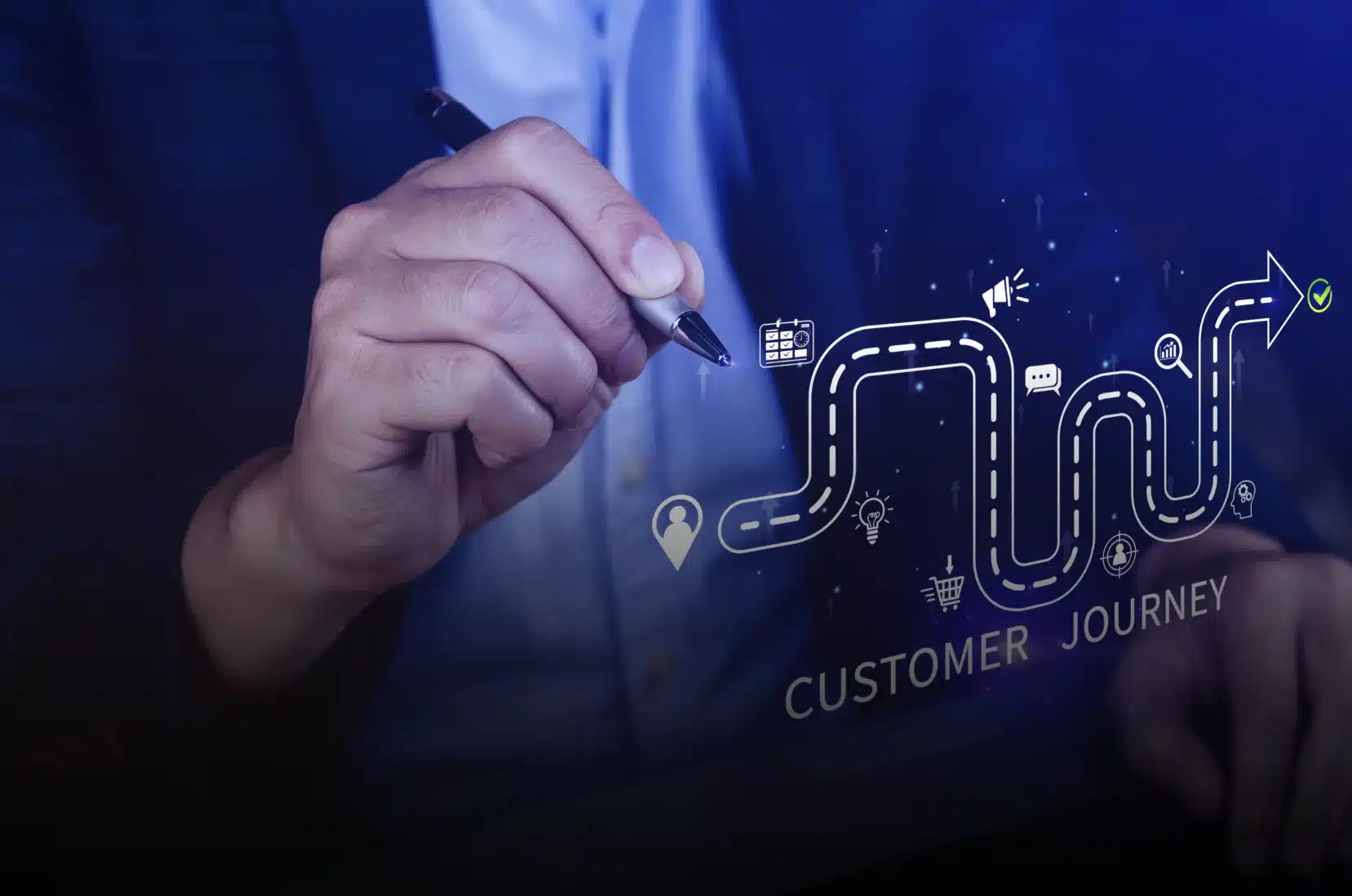
True efficiency comes from orchestration. It means managing the entire customer journey: before arrival, during check-in, throughout the waiting experience, during the service interaction and even after the visit
When customer flow becomes connected, organizations gain visibility and control over operations in real time. Employees can focus on serving instead of managing interruptions. Customers receive clarity and guidance. Managers gain operational insights that help optimize staffing and service quality.
The result is not only faster service. It is calmer, more predictable, and more human service.
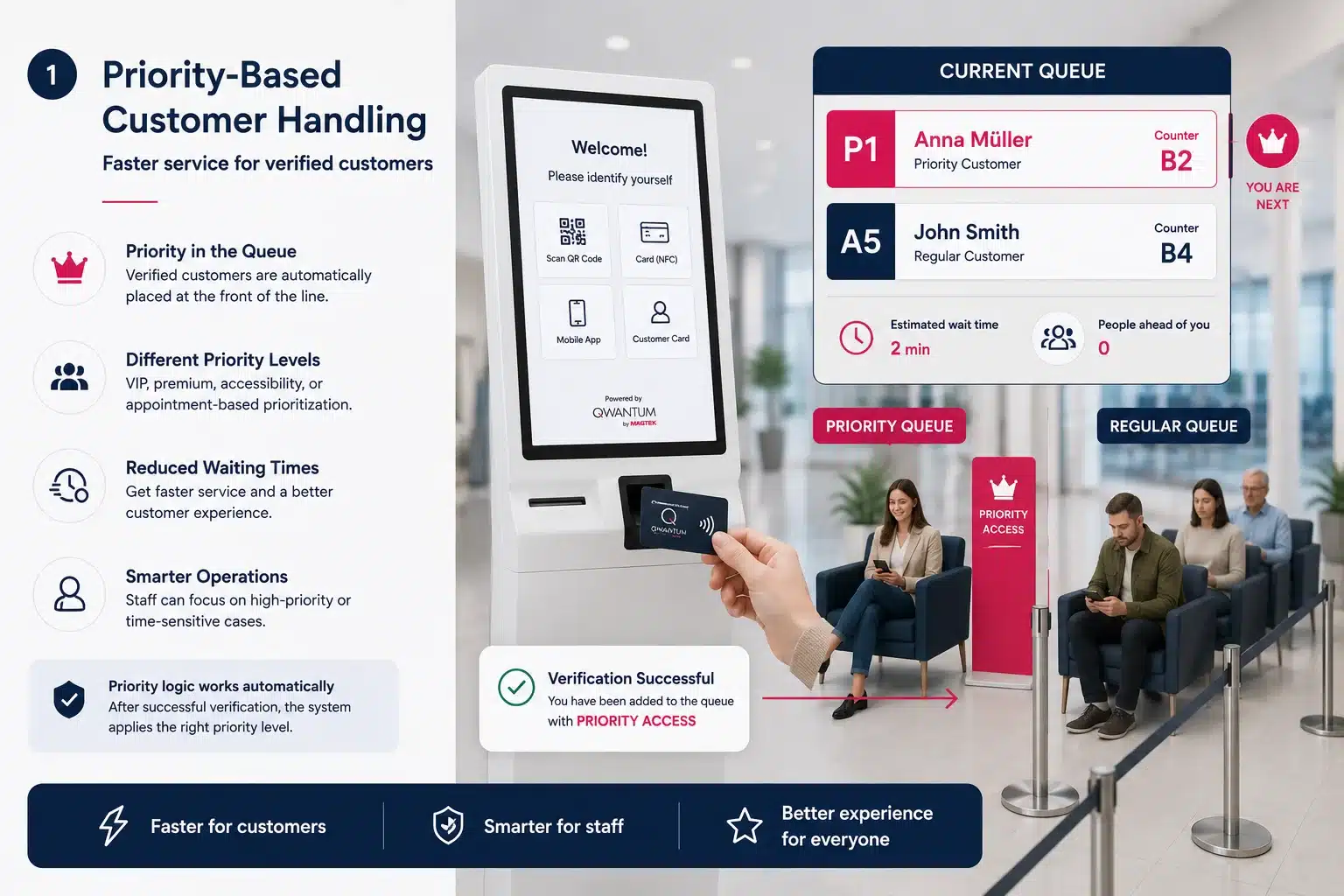
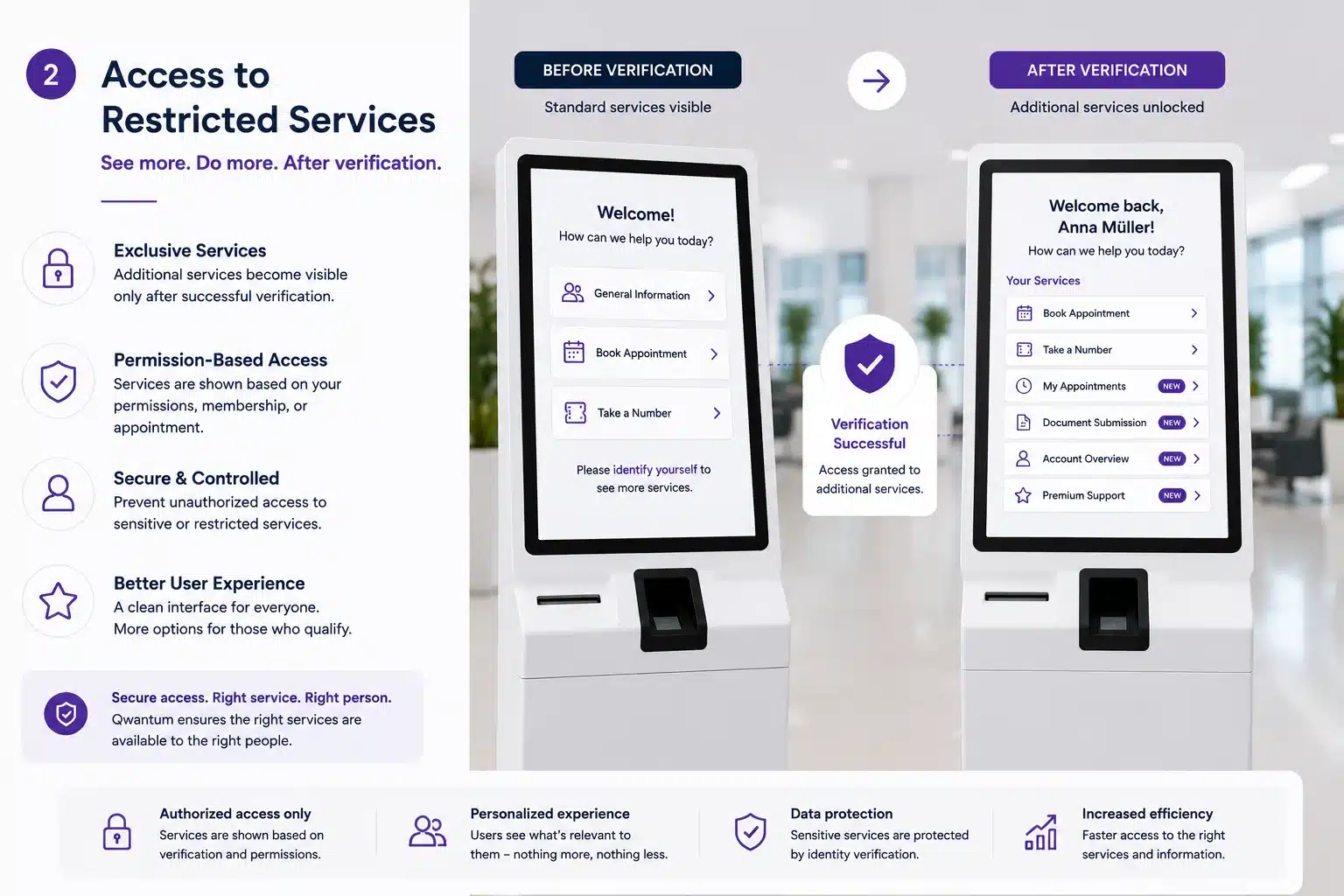
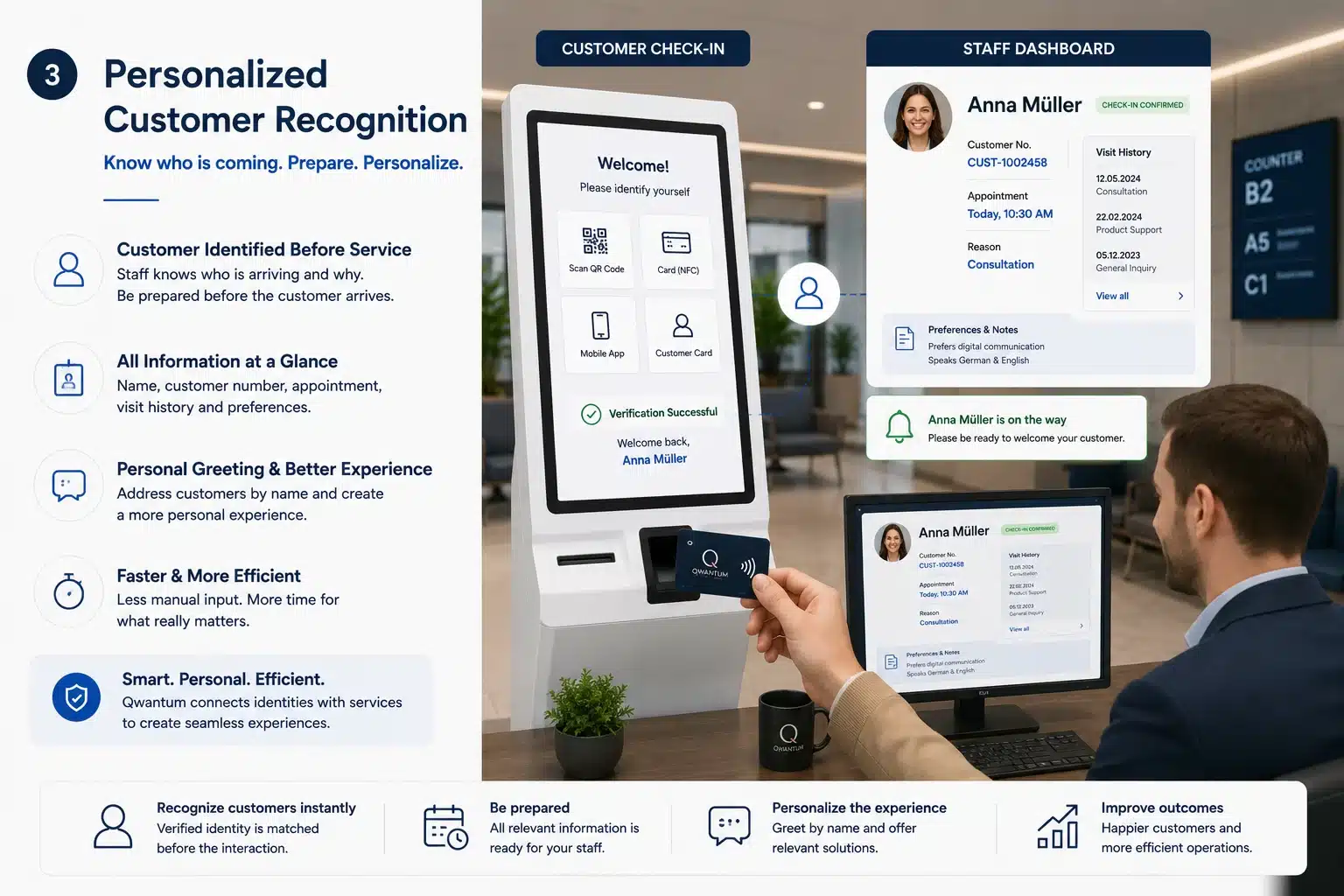
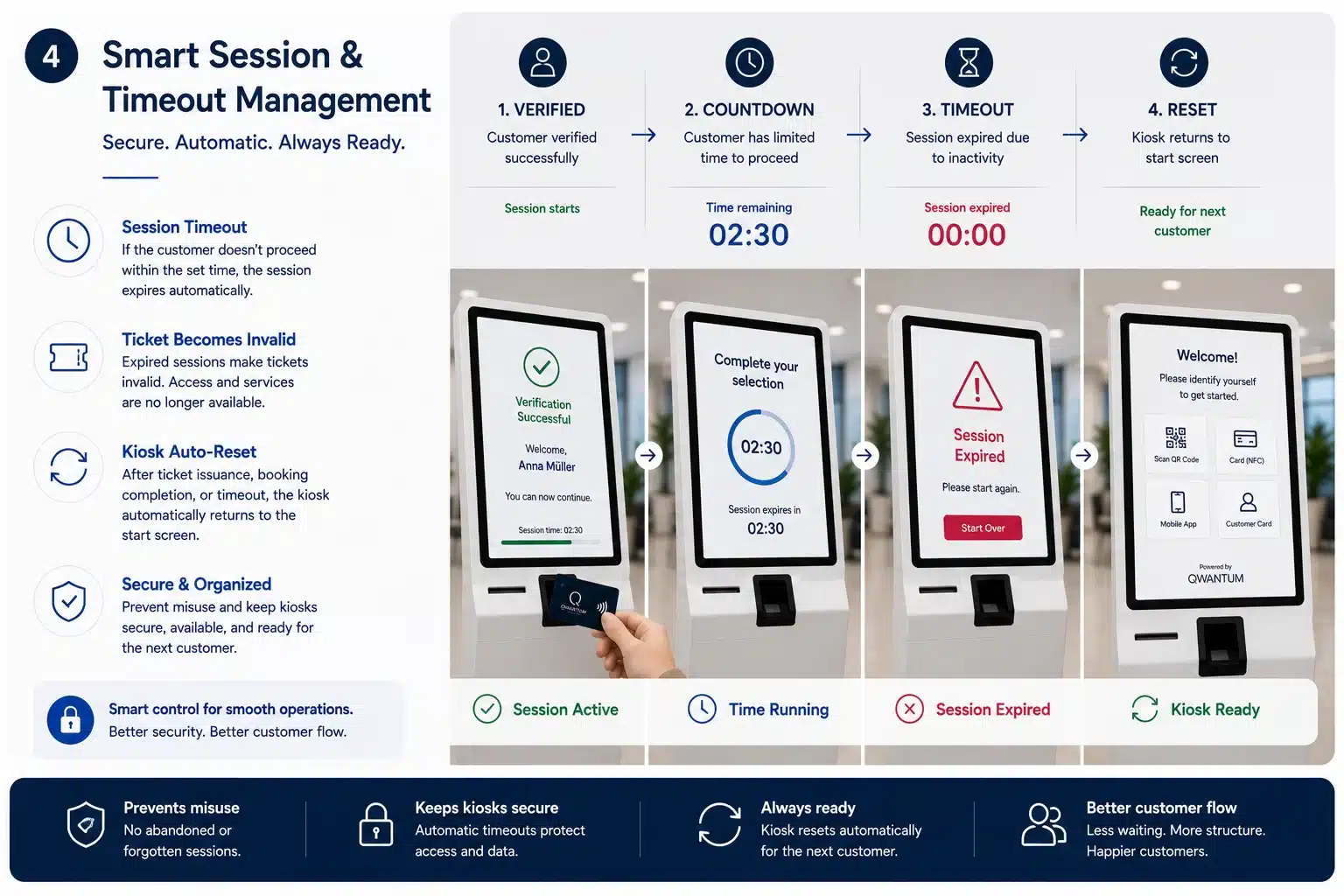
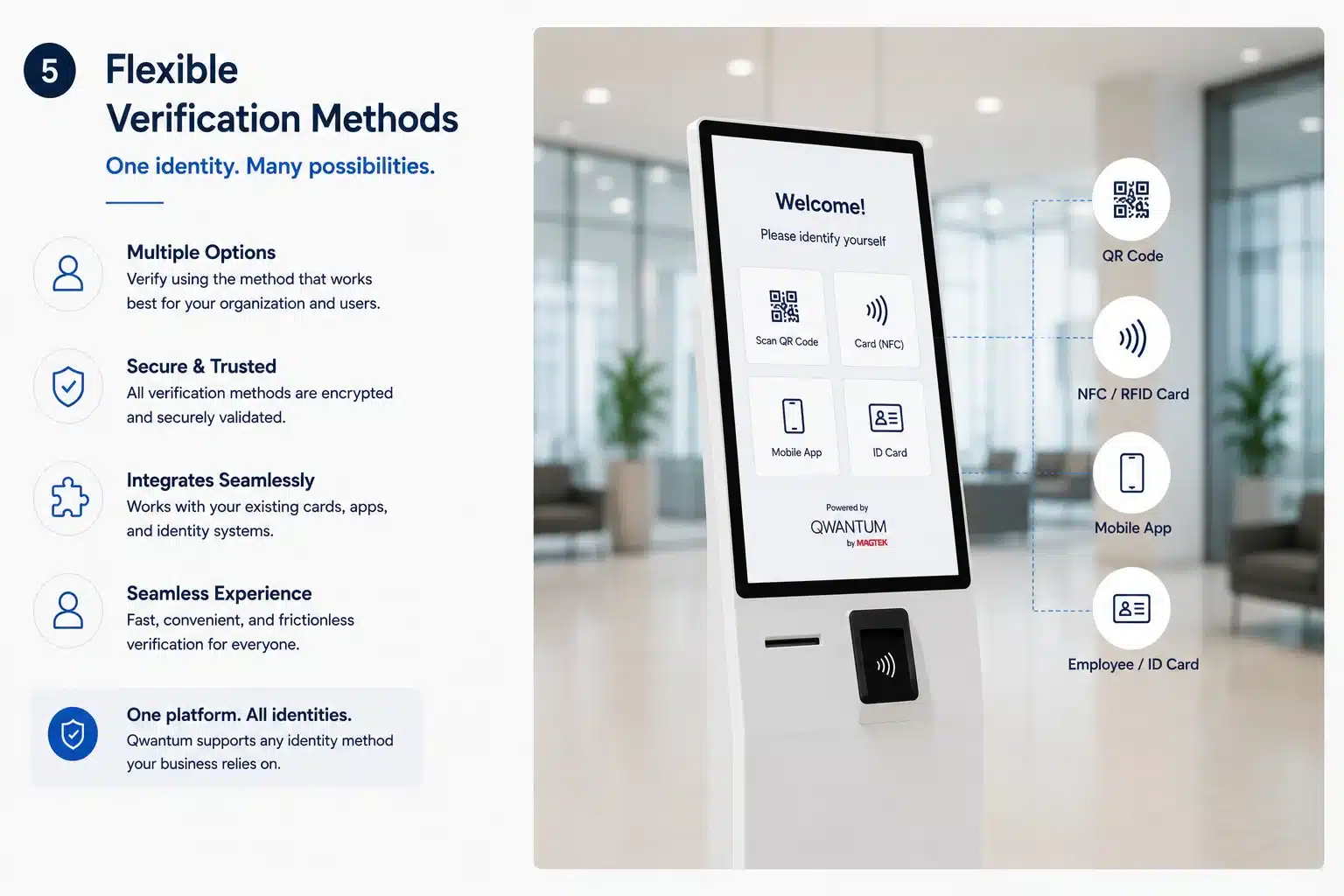
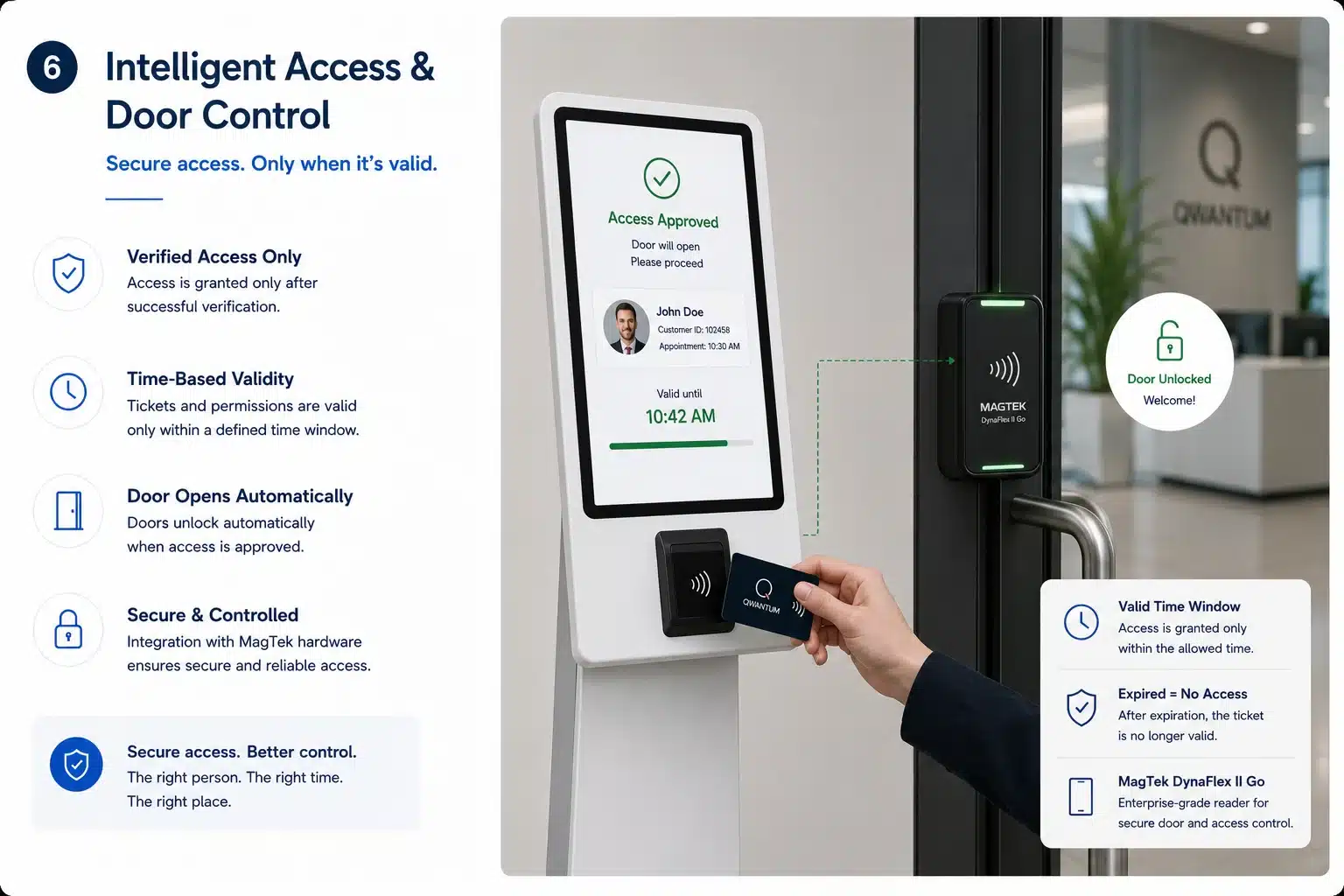
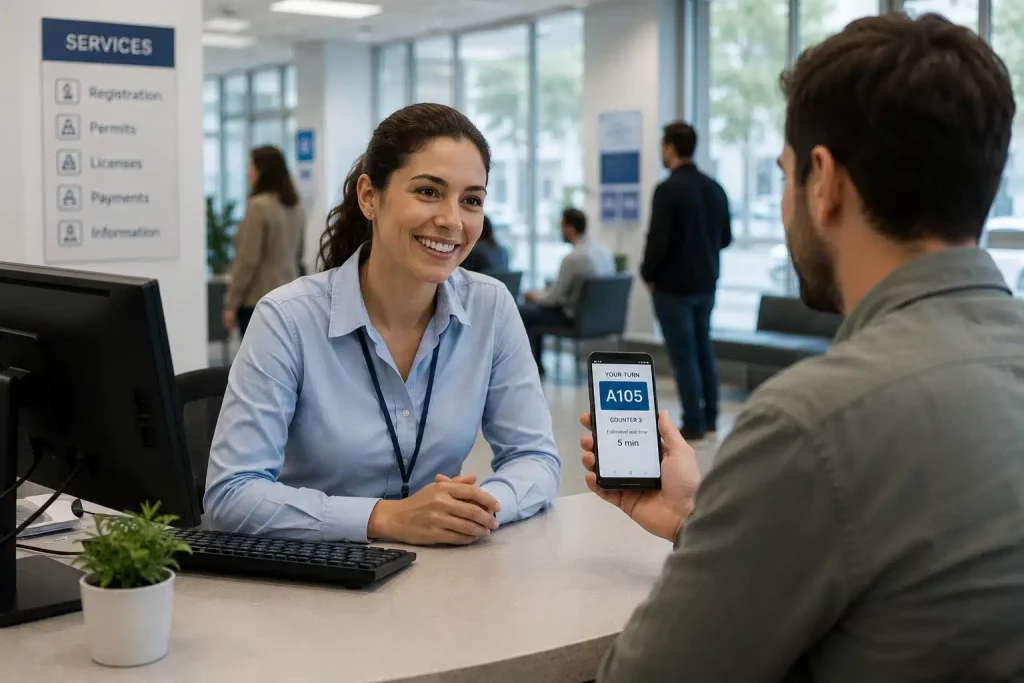
For years, queue management was viewed as a simple ticketing system. Today, customer flow is evolving into intelligent service infrastructure. Modern environments combine online appointment booking, walk-in orchestration, mobile ticketing, kiosk check-in, digital signage, real-time notifications, analytics and operational reporting, identity-aware customer journeys.
This is where solutions like cleverQ Qwantum introduce a completely new layer of operational intelligence.
The organizations leading the future of customer experience will not simply digitize waiting lines. They will build intelligent service environments. Because customer flow is no longer just an operational topic. It is becoming critical infrastructure for modern service organizations. The journey from chaos to efficiency starts with visibility, orchestration, security, and connected customer experiences. And the organizations that recognize this early will define the next generation of service.
The journey from chaos to efficiency starts with visibility, orchestration, security, and connected customer experiences. And the organizations that recognize this early will define the next generation of service.
The organizations leading the future of customer experience will not simply digitize waiting lines. They will build intelligent service environments. Because customer flow is no longer just an operational topic. It is becoming critical infrastructure for modern service organizations.
The journey from chaos to efficiency starts with visibility, orchestration, security, and connected customer experiences. And the organizations that recognize this early will define the next generation of service.

You are currently viewing a placeholder content from Vimeo. To access the actual content, click the button below. Please note that doing so will share data with third-party providers.
More InformationYou are currently viewing a placeholder content from YouTube. To access the actual content, click the button below. Please note that doing so will share data with third-party providers.
More InformationYou need to load content from reCAPTCHA to submit the form. Please note that doing so will share data with third-party providers.
More InformationYou are currently viewing a placeholder content from Facebook. To access the actual content, click the button below. Please note that doing so will share data with third-party providers.
More InformationYou are currently viewing a placeholder content from Instagram. To access the actual content, click the button below. Please note that doing so will share data with third-party providers.
More InformationYou are currently viewing a placeholder content from Google Maps. To access the actual content, click the button below. Please note that doing so will share data with third-party providers.
More InformationYou are currently viewing a placeholder content from X. To access the actual content, click the button below. Please note that doing so will share data with third-party providers.
More Information